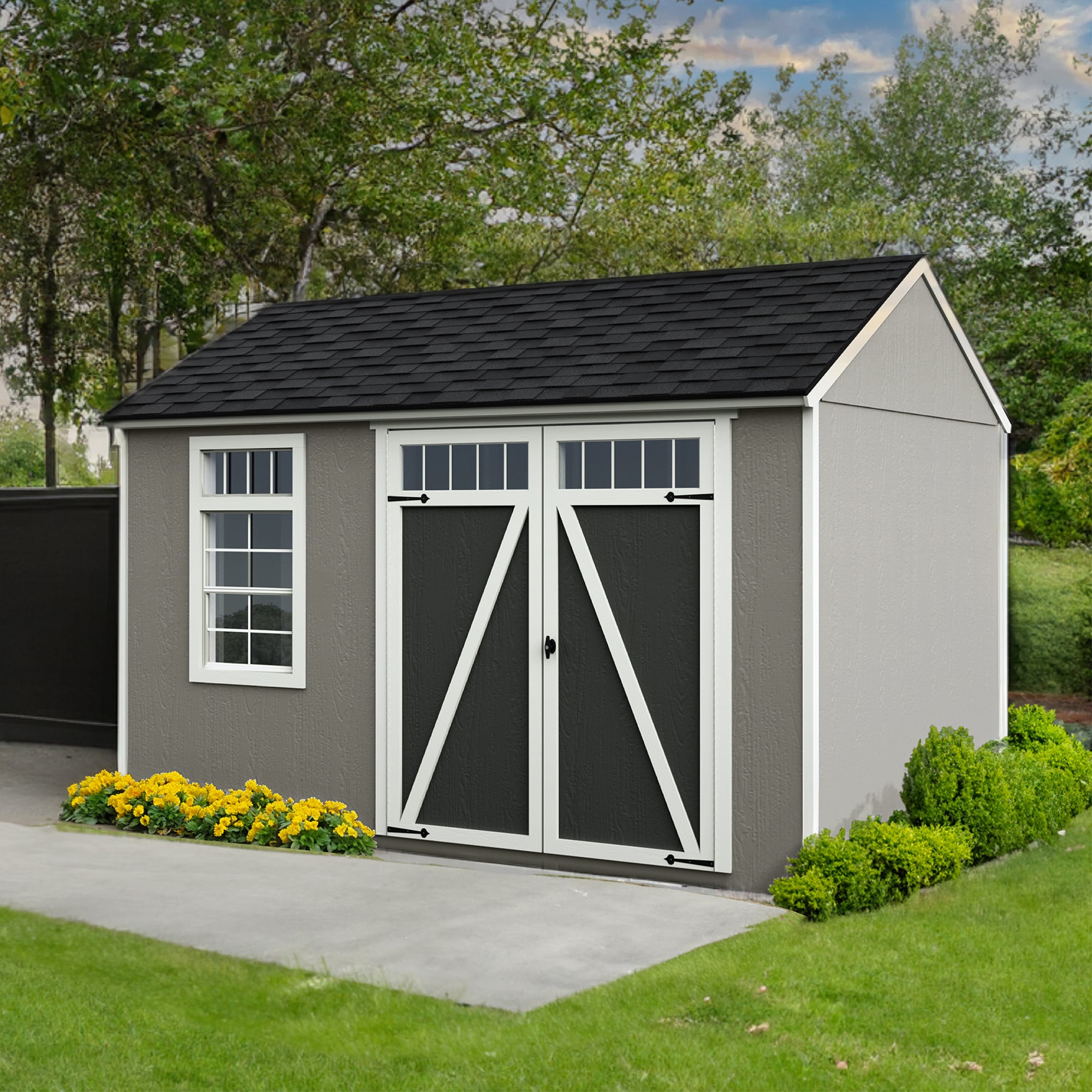

Upgrading your wood shed is more than just a seasonal project—it’s a smart investment in functionality, durability, and curb appeal. Whether you’re storing tools, firewood, or outdoor gear, a well-designed floor transforms your shed from a basic storage space into a reliable workspace. Today’s trending floor options for wood sheds blend trending floor for wood shed to upgrade with modern materials that balance cost, longevity, and ease of installation. From engineered wood composites to durable composite decking, choosing the right flooring ensures your shed withstands weather, foot traffic, and time. This guide explores the most popular and effective flooring choices, helping you make an informed decision that elevates your shed’s performance and value.
Why Choosing the Right Floor Matters for Your Wood Shed
A wood shed floor is often overlooked, yet it plays a crucial role in protecting stored items and maintaining structural integrity. Unlike indoor floors, shed floors face constant exposure to moisture, dirt, and temperature shifts. A poor choice can lead to rot, mold, uneven surfaces, and frequent repairs—costs that add up over time. The trending floor for wood shed to upgrade must therefore prioritize:
- Water resistance and drainage
- Load-bearing strength for heavy tools and equipment
- Easy maintenance and cleaning
- Weather resilience against rain, snow, and UV rays
- Compatibility with shed design and existing structure
Selecting the ideal flooring starts with understanding material properties and how they interact with your shed’s environment and usage patterns.
| Material | Durability | Water Resistance | Ease of Installation | Maintenance Needs | Cost Range |
|---|---|---|---|---|---|
| Pressure-Treated Lumber | High | Excellent (with sealant) | Moderate | Low (requires periodic sealing) | Low to Medium |
| Composite Decking (Polywood) | Very High | Excellent (water-resistant) | Easy | Minimal (no sealing needed) | Medium to High |
| Concrete Slab | Exceptional | Perfect (drainage options available) | Difficult (requires formwork and curing) | Low (once set, minimal upkeep) | High (material and labor costs) |
| Rubber Flooring Panels | High | Excellent (waterproof and slip-resistant) | Simple | Low (resistant to stains and decay) | Medium to High |
| Plywood with Waterproof Membrane | High | Good (with proper underlayment) | Moderate | Moderate (risk of delamination if not sealed) | Low to Medium |
Choosing a floor that matches your shed’s purpose—whether occasional storage or heavy-duty use—ensures long-term savings and peace of mind.
The most popular trending floor for wood shed upgrades today leans toward composite and concrete solutions, offering superior protection and low maintenance. Composite decking, especially made from recycled plastic and wood fibers, resists rot, insects, and warping while mimicking natural wood aesthetics. Concrete slabs provide unmatched durability and drainage but require careful installation. Pressure-treated lumber remains a budget-friendly option but demands regular sealing to prevent moisture damage. Rubber panels offer safety and comfort, ideal for frequent access and wet conditions. Each choice balances practicality with style, making it essential to align material selection with your shed’s environment and daily use.
Note: Always assess your local climate—rainfall, freeze-thaw cycles, and humidity levels heavily influence flooring longevity and performance.
For sheds exposed to frequent rain or snow, prioritizing water-resistant and drainage-capable materials prevents water pooling and structural degradation. In colder regions, concrete or rubber flooring reduces freezing risks compared to porous woods. In humid areas, sealed composite or treated lumber helps avoid mold and mildew buildup beneath the surface.
Note: Proper subfloor preparation—cleaning, leveling, and moisture control—is critical before installing any new flooring to ensure stability and extend lifespan.
Beyond material choice, consider how the floor integrates with your shed’s overall design. A seamless transition between flooring and walls improves aesthetics and prevents tripping hazards. Raised platforms or slight slopes can enhance drainage, especially in open-air sheds. Light-colored or reflective surfaces brighten small spaces and improve visibility during early morning or evening tasks.
Note: Measuring twice and cutting once avoids costly mistakes—accurate measurements ensure proper fit and minimize waste during installation.
Installation simplicity varies by material. Composite decking and rubber panels typically require minimal tools and no specialized skills, allowing DIY completion in a weekend. Pressure-treated boards need precise cutting and secure fastening with galvanized nails or screws. Concrete slabs demand formwork, mixing, and curing time, best handled with professional help or careful planning.
Note: Always follow manufacturer guidelines for load ratings and installation methods to maximize floor lifespan and safety.
Ultimately, the trending floor for wood shed to upgrade reflects a shift toward smarter, longer-lasting materials that reduce maintenance and protect stored assets. Whether opting for durable composite, resilient concrete, or low-maintenance rubber, the right floor transforms your shed into a functional, safe, and attractive extension of your home. By balancing durability, cost, and practicality, you create a foundation that supports years of reliable use—making every step in your upgrade both meaningful and rewarding.
Related Terms:
- epoxy flooring for sheds