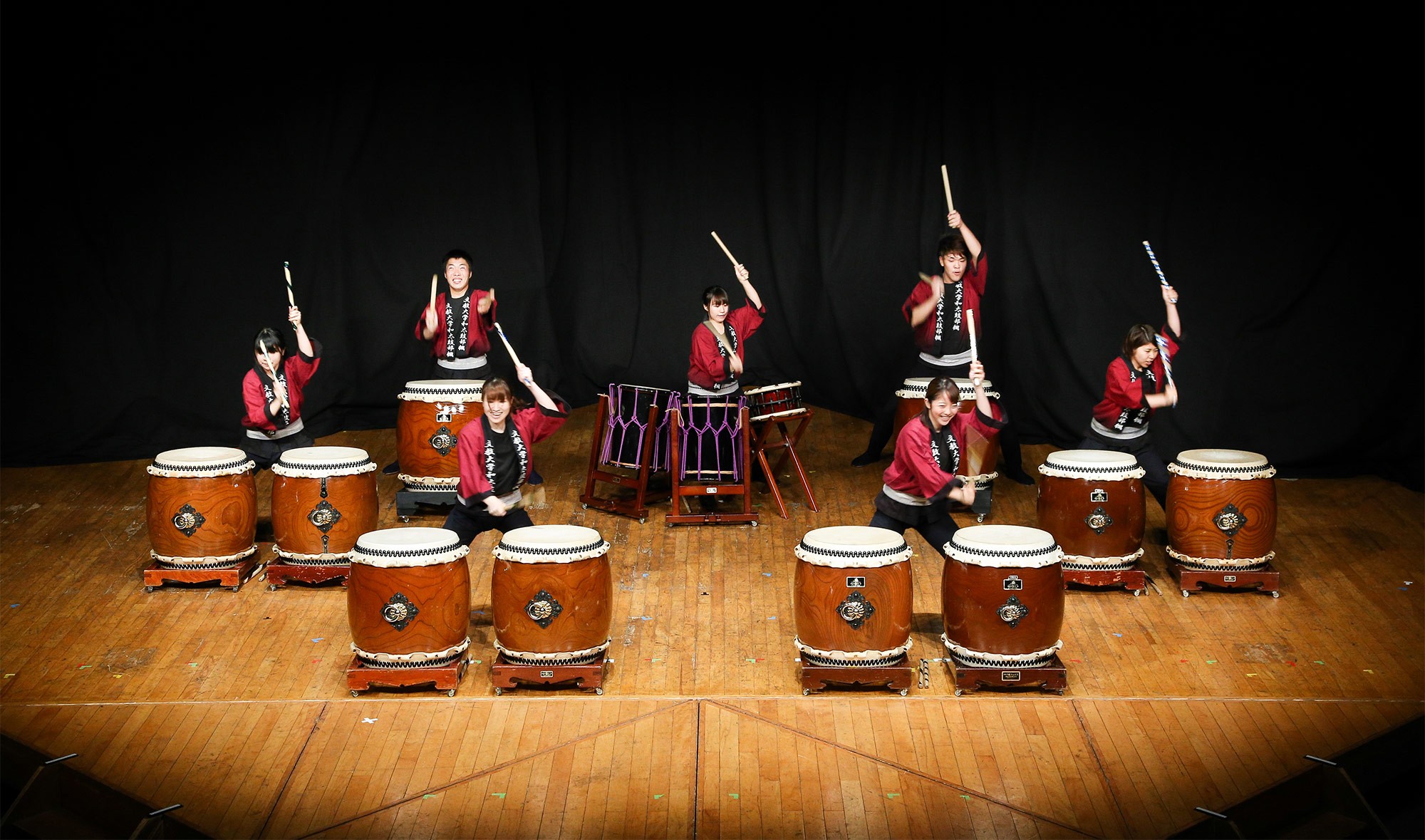

Drums have been an integral part of musical expression for centuries, serving as the heartbeat of various genres and cultures. The world of kinds of drums instrument is vast and diverse, with each type offering unique sounds and playing techniques. Whether you're a seasoned drummer or a curious enthusiast, understanding the different types of drums can deepen your appreciation for this versatile instrument.
Historical Overview of Drums
The history of drums is as rich and varied as the cultures that have embraced them. From ancient civilizations to modern-day music, drums have evolved significantly. Early drums were often made from natural materials like animal skins and wooden frames. Over time, advancements in technology and craftsmanship have led to the development of more sophisticated and durable drums.
In many cultures, drums have held sacred and ceremonial significance. For example, African drums like the djembe and talking drum have been used in rituals and storytelling. In Native American cultures, drums are essential in spiritual ceremonies and community gatherings. The evolution of drums reflects the cultural and technological progress of societies around the world.
Types of Drums
Drums can be categorized into several types based on their construction, playing techniques, and cultural origins. Here are some of the most common kinds of drums instrument:
Acoustic Drums
Acoustic drums are the traditional type of drums that produce sound through the vibration of a membrane, or drumhead, stretched over a hollow shell. These drums are widely used in various musical genres, including rock, jazz, and classical music.
- Snare Drum: Known for its sharp, crisp sound, the snare drum is a staple in marching bands and drum kits. It features a set of wires or cords (snares) stretched across the bottom head, which produce a rattling sound when the drum is struck.
- Bass Drum: The largest and lowest-pitched drum in a standard drum kit, the bass drum is played with a foot pedal. It provides the foundational rhythm and is often used to accentuate the beat.
- Tom-Toms: These cylindrical drums come in various sizes and are tuned to different pitches. They are commonly used in drum kits to add depth and complexity to the rhythm.
Electronic Drums
Electronic drums, also known as electronic percussion, use electronic sensors and triggers to produce sounds. These drums are popular in modern music production and live performances due to their versatility and ease of use.
- Electronic Drum Kits: These kits mimic the layout of acoustic drum kits but use electronic pads and triggers to produce sounds. They often come with a variety of pre-programmed sounds and can be connected to a computer for further customization.
- Handheld Electronic Percussion: Devices like the Roland HandSonic and the Korg Wavedrum offer a portable solution for electronic percussion. These instruments can be played with the hands and provide a wide range of sounds and effects.
World Drums
World drums encompass a wide range of percussion instruments from different cultures around the globe. Each of these drums has its unique sound and playing technique, reflecting the rich cultural heritage of its origin.
- Djembe: Originating from West Africa, the djembe is a goblet-shaped drum played with bare hands. It produces a variety of tones and is often used in traditional African music and dance.
- Tabla: A pair of hand drums from the Indian subcontinent, the tabla consists of a smaller treble drum (dayan) and a larger bass drum (bayan). It is widely used in classical Indian music and Bollywood films.
- Bodhrán: This frame drum from Ireland is played with a double-headed stick called a cipín. It is a staple in traditional Irish music and is often used to accompany folk songs and dances.
Specialty Drums
Specialty drums are designed for specific purposes or playing techniques. These drums often have unique features that set them apart from traditional acoustic and electronic drums.
- Conga Drums: Originating from Cuba, conga drums are tall, narrow drums played with the hands. They are commonly used in Latin music and provide a lively, rhythmic sound.
- Timpani: Also known as kettledrums, timpani are large, copper drums with a bowl-shaped body. They are tuned to specific pitches and are often used in orchestral and marching band music.
- Bongo Drums: These small, open-bottom drums are played with the hands and are popular in Latin and Caribbean music. They come in pairs and are often used to create intricate rhythms and patterns.
Choosing the Right Drum
Selecting the right drum depends on your musical goals, playing style, and personal preferences. Here are some factors to consider when choosing a drum:
- Purpose: Determine whether you need a drum for live performances, recording, or practice. Different drums are suited for different purposes.
- Sound: Consider the type of sound you want to achieve. Acoustic drums offer a natural, organic sound, while electronic drums provide a wide range of programmable sounds.
- Portability: If you need to travel with your drum, consider its size and weight. Electronic drums and handheld percussion devices are often more portable than acoustic drums.
- Budget: Set a budget for your drum purchase. Prices can vary widely depending on the type, brand, and quality of the drum.
When choosing a drum, it's also important to consider your playing style and the genre of music you plan to play. For example, if you're interested in rock or jazz, a standard drum kit with acoustic drums might be the best choice. If you're into electronic music or need a portable solution, an electronic drum kit or handheld percussion device could be more suitable.
💡 Note: Always try out different drums before making a purchase to ensure you find the one that best suits your needs and preferences.
Caring for Your Drum
Proper care and maintenance are essential for keeping your drum in good condition and ensuring it produces the best possible sound. Here are some tips for caring for your drum:
- Cleaning: Regularly clean your drum to remove dirt, dust, and sweat. Use a soft cloth and mild soap to wipe down the drumhead and shell.
- Tuning: Keep your drum properly tuned to maintain its sound quality. Use a drum key to adjust the tension rods and ensure the drumhead is evenly tuned.
- Storage: Store your drum in a cool, dry place away from direct sunlight and extreme temperatures. Use a drum case or cover to protect it from dust and damage.
- Inspection: Regularly inspect your drum for signs of wear and tear, such as cracks in the shell or damage to the drumhead. Address any issues promptly to prevent further damage.
By following these care and maintenance tips, you can extend the lifespan of your drum and ensure it continues to produce high-quality sound.
💡 Note: Always consult the manufacturer's guidelines for specific care instructions tailored to your drum model.
Learning to Play the Drum
Learning to play the drum can be a rewarding experience, whether you're a beginner or an experienced musician. Here are some steps to help you get started:
- Find a Teacher: Consider taking lessons from a professional drum instructor. They can provide personalized guidance and help you develop your skills.
- Practice Regularly: Consistent practice is key to improving your drumming skills. Set aside dedicated practice time each day to work on your technique and rhythm.
- Learn Basic Techniques: Start with basic drumming techniques, such as proper grip, stick control, and basic rhythms. Gradually build your skills by learning more complex patterns and fills.
- Play Along with Music: Practice playing along with your favorite songs to improve your timing and rhythm. This can also make practice more enjoyable and motivating.
As you progress, you can explore different styles and genres of music to expand your drumming repertoire. Joining a band or participating in jam sessions can also provide valuable experience and opportunities to learn from other musicians.
💡 Note: Be patient with yourself and enjoy the learning process. Drumming is a skill that takes time and practice to master.
Exploring Different Drumming Styles
Drumming styles vary widely depending on the genre of music and cultural background. Exploring different styles can enrich your musical experience and help you develop versatility as a drummer. Here are some popular drumming styles to consider:
- Rock: Rock drumming often features powerful, driving rhythms and intricate fills. It requires strong stick control and the ability to play complex patterns.
- Jazz: Jazz drumming emphasizes improvisation and subtlety. It often involves playing with brushes and incorporating complex rhythms and polyrhythms.
- Latin: Latin drumming incorporates a variety of percussion instruments and rhythms, such as congas, bongos, and timbales. It often features syncopated rhythms and intricate patterns.
- Funk: Funk drumming is characterized by its groovy, syncopated rhythms and emphasis on the "one" beat. It often involves playing with a strong backbeat and incorporating ghost notes.
Each drumming style has its unique characteristics and techniques. By exploring different styles, you can expand your musical horizons and develop a more versatile playing approach.
💡 Note: Watching videos and attending live performances can provide valuable insights into different drumming styles and techniques.
The Role of Drums in Music
Drums play a crucial role in music, providing the rhythmic foundation that drives the song forward. Whether in a rock band, jazz ensemble, or orchestral setting, the drum is essential for creating a cohesive and engaging musical experience. Here are some key roles that drums play in music:
- Rhythm and Timing: Drums provide the rhythmic backbone of a song, helping to establish the tempo and keep the music in time. They create a steady pulse that guides the other instruments and vocals.
- Dynamic Range: Drums can produce a wide range of dynamics, from soft and subtle to loud and powerful. This dynamic range adds depth and emotion to the music, enhancing the overall listening experience.
- Texture and Color: Different kinds of drums instrument offer unique textures and tonal qualities. By incorporating various drums into a composition, musicians can create rich, layered sounds that add interest and complexity to the music.
- Expression and Emotion: Drums are a powerful tool for expressing emotion and conveying the mood of a song. Whether through intricate fills, powerful beats, or subtle accents, drums can evoke a wide range of feelings in the listener.
In addition to their musical roles, drums also have cultural and social significance. They are often used in ceremonies, celebrations, and community gatherings, bringing people together and fostering a sense of unity and connection.
💡 Note: The versatility of drums makes them an essential component of many musical genres and cultural traditions.
Innovations in Drum Technology
The world of drums has seen significant innovations in technology, enhancing the playing experience and expanding creative possibilities. Here are some notable advancements in drum technology:
- Electronic Drum Kits: Electronic drum kits have revolutionized the way drums are played and recorded. They offer a wide range of programmable sounds, effects, and customization options, making them a popular choice for modern musicians.
- Hybrid Drum Kits: Hybrid drum kits combine acoustic and electronic elements, allowing drummers to blend the natural sound of acoustic drums with the versatility of electronic triggers and samples.
- Smart Drum Pads: Smart drum pads, such as the Roland SPD-SX, offer advanced features like multi-zone triggering, sample playback, and MIDI integration. These pads provide a versatile and intuitive playing experience.
- Drum Tuning Systems: Innovative drum tuning systems, such as the Tune-Bot, use automated technology to precisely tune drums to the desired pitch. This ensures consistent sound quality and saves time during setup.
These technological advancements have opened up new possibilities for drummers, allowing them to explore different sounds, styles, and playing techniques. As technology continues to evolve, the future of drums looks bright and full of potential.
💡 Note: Staying updated with the latest innovations in drum technology can help you enhance your playing experience and stay ahead in the ever-evolving world of music.
Conclusion
The world of kinds of drums instrument is vast and diverse, offering a rich tapestry of sounds, styles, and cultural traditions. From acoustic drums to electronic percussion, each type of drum has its unique characteristics and playing techniques. Whether you’re a beginner or an experienced drummer, exploring the different kinds of drums can deepen your appreciation for this versatile instrument and enhance your musical journey. By understanding the various types of drums, their roles in music, and the innovations in drum technology, you can unlock new creative possibilities and elevate your drumming skills to new heights.
Related Terms:
- names of all types drums
- different types of drums instrument
- drum types and their names
- 10 different types of drums
- names of different types drums
- types of drums chart